

 Send Inquiry
Silicone Oil
MOQ : 400 Kilograms
Silicone Oil Specification
- Oil Type
- Silicone Oil
- Packaging Type
- HDPE Bottle, Drum or Can
- Smell
- Odorless
- Grease
- Not applicable; fluid/liquid form
- Use
- Electrical, Mechanical, Cosmetic, Automotive
- Water Content Vol%
- 0.05%
- Viscosity
- 350 cSt (at 25C)
- Type
- Polydimethylsiloxane (PDMS)
- Weight
- As per packaging
- Operating Temperature
- -40C to +200C
- Ash %
- 0.02%
- Application
- Lubrication, Heat Transfer Fluid, Dielectric Fluid
- Color
- Clear/Transparent
- Density
- 0.980 Gram per cubic centimeter(g/cm3)
- Chemical Composition
- Polyorganosiloxane
- Size
- 500 ml, 1L, 5L, 20L, 200L
- Vehicle Type
- Industrial Applications
- Pack Type
- Bottle, Drum, Can
- Flash Point
- > 300C
- Refractive Index
- 1.403 - 1.406 (at 25C)
- Pour Point
- -50C
- Shelf Life
- 36 months (when unopened)
- Dielectric Strength
- > 15 kV/mm
- Surface Tension
- ~21 mN/m (at 25C)
Silicone Oil Trade Information
- Minimum Order Quantity
- 400 Kilograms
- FOB Port
- Foshan
- Payment Terms
- Cash on Delivery (COD), Cheque, Letter of Credit at Sight (Sight L/C), Telegraphic Transfer (T/T), Western Union, Paypal, Letter of Credit (L/C), Cash Against Delivery (CAD), Delivery Point (DP), Days after Acceptance (DA), Cash in Advance (CID), Cash Advance (CA)
- Supply Ability
- 400 Kilograms Per Month
- Delivery Time
- 3 Days
- Sample Available
- Yes
About Silicone Oil
We are a provider of modified silicone oil, RX-103. The fluid with medium viscosity has a special chemical structure and advantages of mineral oils and silicon fluids. It can be used as a die casting release agent. It is also considered better than conventional silicone fluids, when the finished parts have to be painted, coated, printed or bonded.
A small amount of release agent can be used for obtaining an outstanding release effect. It easily and accurately reproduce every surface detail of the molded article. This silicone oil shows excellent film forming properties.
Product Feature of Silicone Oil:
- Excellent lubricity performance
- Excellent high temperature resistance
- No affect on post-processing performance (like printing, painting and electroplating) of castings
- No residues and no smoke on the die as well as molded part.
Applications:
- This oil is useful in several kinds of metal die casting, like magnesium, aluminum and zinc alloy die casting. It can also be used in the production of large, heavy and complex parts, as well as in applications with high die temperatures.
Product Details:
| Typical general characteristics | Inspection Method | Value |
| Appearance | clear, colorless to yellowish | |
| Viscosity, kinematic at 25 °C | 900 - 1500 mm²/s | |
| Viscosity, dynamic at 25 °C | 800 - 1400 mPa.s | |
| Refractive index at 25 °C | approx. 1.4640 | |
| Density at 25 °C | DIN 51757 | 0.912 g/cm³ |
| Volatility | 5 g / 2 h / 230 °C | < 1.5 % |
Exceptional Thermal and Electrical Performance
With an impressive dielectric strength exceeding 15 kV/mm and a pour point as low as -50C, our silicone oil is highly regarded for its ability to maintain performance across a wide temperature spectrum. Its low water (0.05%) and ash content (0.02%) ensure purity and stability in sensitive environments, making it perfect for applications demanding both insulation and lubrication.
Versatile Applications Across Various Industries
Engineered for versatility, this silicone oil is used as a lubricant, dielectric fluid, and heat transfer medium in electrical, mechanical, cosmetic, and automotive sectors. Its clear, odorless composition means it's well-suited for environments where purity and non-reactivity are paramount, such as medical device manufacturing or precision electronics.
FAQ's of Silicone Oil:
Q: How should silicone oil be stored to maximize its shelf life?
A: To ensure the silicone oil maintains its quality for up to 36 months, store it in its original, unopened HDPE packaging, away from direct sunlight and moisture, at temperatures between -40C and +200C. Avoid contamination and ensure containers are tightly sealed after use.Q: What makes this silicone oil suitable for use in electrical and mechanical systems?
A: The oil's high dielectric strength (>15 kV/mm) and excellent thermal stability make it ideal for insulating and protecting sensitive electrical components and serving as a reliable lubricant or heat transfer fluid in mechanical systems across harsh operating conditions.Q: Where is this silicone oil typically utilized?
A: It is widely used in electrical insulation, automotive lubrication, heat transfer systems, precision mechanical devices, and cosmetic formulations, owing to its chemical inertness, clarity, and consistent viscosity.Q: What benefits does silicone oil offer over other lubricants and heat transfer fluids?
A: Compared to conventional oils, silicone oil offers a broader operating temperature range, superior chemical resistance, and a longer shelf life. Its low surface tension allows for better wettability, while its non-flammable nature (flash point > 300C) enhances operational safety.Q: How does one apply silicone oil in industrial or automotive settings?
A: Silicone oil is typically poured or pumped directly into systems requiring lubrication, cooling, or electrical insulation, ensuring the surfaces or cavities involved are clean and dry to maximize its effectiveness and prevent contamination.Q: What is the process for handling and disposing of silicone oil safely?
A: Handle silicone oil with clean, dry equipment and use personal protective equipment as needed. For disposal, follow local regulations for chemical waste, as silicone oil should not be released into drains or the environment. Empty drums and bottles can be recycled after thorough cleaning.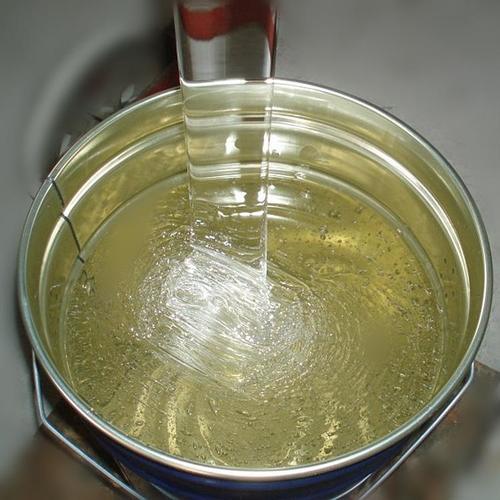
Tell us about your requirement

Price:
Quantity
Select Unit
- 50
- 100
- 200
- 250
- 500
- 1000+
Additional detail
Mobile number
Email

More Products in Die Casting Silicone Oil & Emulsion Category
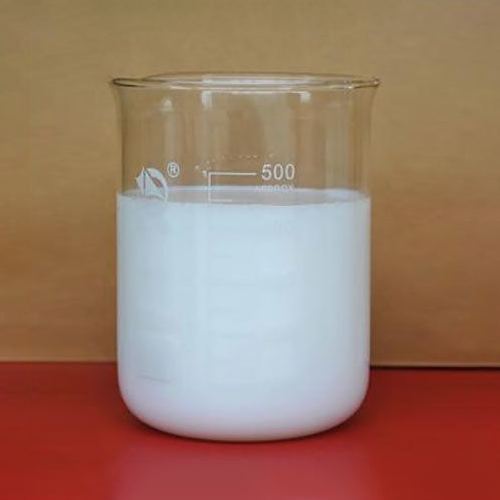
Silicone Emulsion
Minimum Order Quantity : 400 Kilograms
Pack Type : HDPE Carboys/Drums
Operating Temperature : 5C to 40C
Size : Customizable
Viscosity : 2000 cSt
Weight : As per packaging
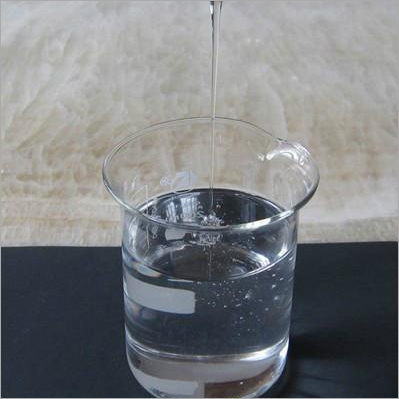
Modified Alkyl Aryl Silicone Oil
Minimum Order Quantity : 400 Kilograms
Pack Type : Drum, IBC, can
Operating Temperature : 40C to +200C
Size : Customized or standard packaging sizes
Viscosity : 5001500 cSt (at 25C)
Weight : Customized as per order

Contact Details

- Building H, Zhibo Industry Parking, Dalan,Foshan - 528000, Guangdong, China
- Phone : 86-757-85862269
NANCHANG RONGXING DIE CASTING MATERIAL CO., LTD.

- Mr James Chen (Proprietor)
- Mobile : +8613169962217
- Send Inquiry
- WeChat / Skype: chenjun5199
WhatsApp +86 18666589034/+86 13927757701
Email : chenjun5199@gmail.com
 Send Inquiry
|


 Send Inquiry
NANCHANG RONGXING DIE CASTING MATERIALS CO., LTD.
All Rights Reserved.(Terms of Use)
Developed and Managed by Infocom Network Private Limited.
Developed and Managed by Infocom Network Private Limited.
 English
 Spanish
 French
 German
 Italian
 Chinese (Simplified)
 Japanese
 Korean
 Arabic
 Portuguese