

 Send Inquiry
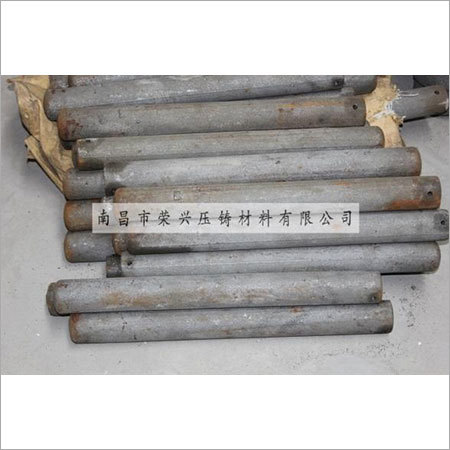
Silicon Carbon Protective Tube
MOQ : 400 Kilograms
Silicon Carbon Protective Tube Specification
- Structure
- Tube
- Media
- Industrial Gases, Liquids
- Material
- Silicon Carbide
- Features
- Wear-resistant, anti-oxidation, thermal shock resistance, strong acid and alkali resistance
- Density
- 3.1 g/cm3
- Thermal Conductivity
- 20-30 W/mK
- Hardness
- Mohs 9
- Color
- Gray
- Usage
- Thermocouple protection, high temperature measurement applications
- Outer Diameter
- Available in multiple sizes (commonly 25mm, 32mm, 40mm, 50mm)
- Max Operating Temperature
- Up to 1650C
- Application
- Protection of thermocouple sensor elements in high temperature furnaces
- Corrosion Resistance
- Excellent
- Length
- Customized as per requirement (commonly 300mm to 1800mm)
- Shape
- Round
Silicon Carbon Protective Tube Trade Information
- Minimum Order Quantity
- 400 Kilograms
- FOB Port
- Foshan
- Supply Ability
- 400 Kilograms Per Month
- Delivery Time
- 3 Days
- Sample Available
- Yes
About Silicon Carbon Protective Tube
Specifications of Silicon Carbon Protective Tube
1 No tasteno toxicityno contamination 2 Resistant high temperature 3 ISO90012008 Approved
Silicon Carbide Thermocouple Protection Tube possess excellent properties of high thermal stability antioxidant capacity and good dimensional precision of products As silicon nitride is covalent compounds with high bond energy and can form protective film of oxide in the air so its good chemical stability can make silicon nirtide not be oxidized below 1200C and generate protective film to prevent further oxidation between 12001600C Silicon nitride can not be infiltrated and corroded by aluminium lead tin silver brass nickel and other molten metals but can be corroded by molten metal like magnesium nicochrome and stainless steel
Technical Data
Packaging Delivery in eight days
Item Unit Data
SiC 59
Si3N4 40
Si3N4 10
Service Temperature
1500
Bulk Density gcm 2426
Porosity 20
Compressive Strength Mpa 85
Coefficient of Thermal Expansion k1 106 45
Robust Protection for High-Temperature Sensing
Designed for thermocouple protection in industrial furnaces, Silicon Carbon Protective Tubes provide reliable performance under extreme conditions. Their high density and superior hardness guard sensors against mechanical stress and chemical attack, while the excellent thermal shock resistance maintains sensor longevity during rapid temperature fluctuations.
Tailored to Your Specifications
Available in a wide range of outer diameters and lengths, these tubes can be customized to fit specific installation needs. Whether for compact laboratory equipment or extensive industrial kilns, the adaptability of these silicon carbide tubes ensures optimal sensor positioning and performance for various measurement challenges.
FAQ's of Silicon Carbon Protective Tube:
Q: How do Silicon Carbon Protective Tubes enhance the durability of thermocouple sensors in high-temperature furnaces?
A: These tubes shield thermocouple sensors from direct exposure to harsh furnace atmospheres, mechanical impacts, and rapid temperature changes. The silicon carbide material offers superior strength and wear-resistance, minimizing sensor failure and extending operational life even at temperatures up to 1650C.Q: What are the primary industrial applications for Silicon Carbon Protective Tubes?
A: They are primarily used for protecting temperature measurement sensors, especially thermocouples, in high-temperature industrial furnaces. Applications range from metal processing to chemical manufacturing, anywhere accurate temperature monitoring in corrosive or high-heat environments is required.Q: When should I consider customizing the length or diameter of the protective tube?
A: Customization is beneficial when standard sizes do not match your specific furnace or sensor installation. Adjusting length and diameter ensures a precise fit, optimal sensor placement, and maximum protection in unique or challenging operating conditions.Q: Where can these tubes be effectively utilized?
A: Silicon Carbon Protective Tubes are suitable for use in high-temperature settings-including industrial kilns, heat treatment chambers, and reactors-where aggressive gases, liquids, or slag may otherwise damage unprotected sensors.Q: What is the process for using a Silicon Carbon Protective Tube with a thermocouple?
A: To use, simply insert the thermocouple sensor element into the tube, then install the tube into the furnace or process environment. The tube acts as a barrier, protecting the sensor while allowing precise temperature readings to be transmitted externally.Q: What are the benefits of choosing silicon carbide as the material for these protective tubes?
A: Silicon carbide offers high thermal conductivity, a very hard surface (Mohs 9), and exceptional resistance to corrosion, oxidation, acids, and alkalis. These attributes make the tubes ideal for harsh industrial applications, ensuring both longevity and measurement accuracy.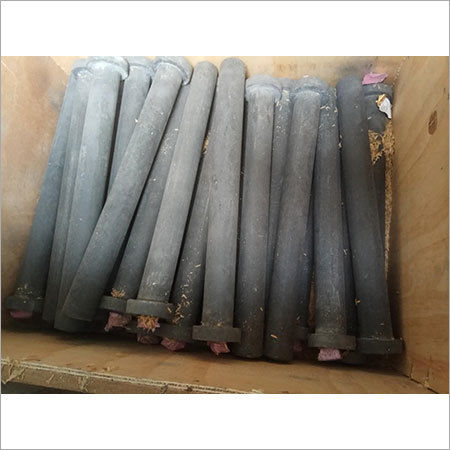
Tell us about your requirement

Price:
Quantity
Select Unit
- 50
- 100
- 200
- 250
- 500
- 1000+
Additional detail
Mobile number
Email

More Products in Blow Gun, Ladle Cup & Protective Tube Category
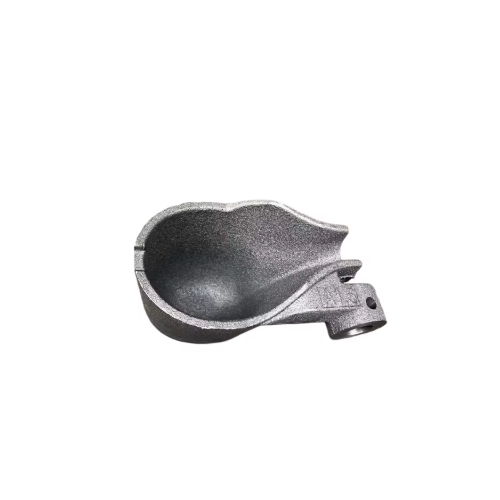
Ladle Cup
Minimum Order Quantity : 400 Kilograms
Material : iron
Media : Molten Iron
Structure : Cup Type
Usage : die casting
Weight : 3 Kilograms (kg)
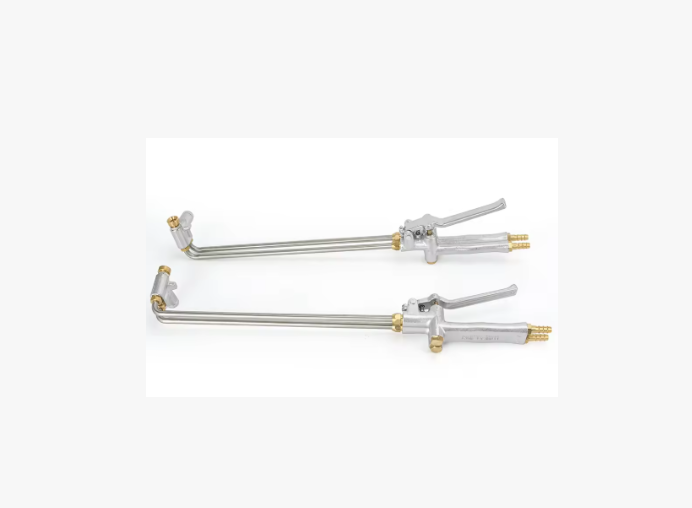
500mm Single Tube Blow Gun
Minimum Order Quantity : 400 Kilograms
Material : Aluminium Body
Media : Air
Structure : Single Tube
Usage : die cast
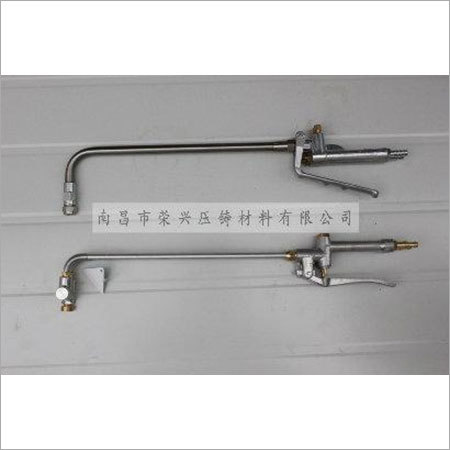
700mm Single Tube Blow Gun
Minimum Order Quantity : 1 Piece
Material : Aluminium Alloy Body with Steel Nozzle
Media : Compressed Air
Structure : Single Tube with Trigger
Silicon Carbide Thermocouple Protection Tube
Minimum Order Quantity : 5 Pieces
Usage : Silicon Carbide Thermocouple Protection Tube possess excellent properties of high thermal stability, antioxidant capacity and good dimensional precision of products.
Weight : 1 Kilograms (kg)

Contact Details

- Building H, Zhibo Industry Parking, Dalan,Foshan - 528000, Guangdong, China
- Phone : 86-757-85862269
NANCHANG RONGXING DIE CASTING MATERIAL CO., LTD.

- Mr James Chen (Proprietor)
- Mobile : +8613169962217
- Send Inquiry
- WeChat / Skype: chenjun5199
WhatsApp +86 18666589034/+86 13927757701
Email : chenjun5199@gmail.com
 Send Inquiry
|


 Send Inquiry
NANCHANG RONGXING DIE CASTING MATERIALS CO., LTD.
All Rights Reserved.(Terms of Use)
Developed and Managed by Infocom Network Private Limited.
Developed and Managed by Infocom Network Private Limited.
 English
 Spanish
 French
 German
 Italian
 Chinese (Simplified)
 Japanese
 Korean
 Arabic
 Portuguese